Category: Music

  • The Rise of Independent Artists and Self-Promotion

    The Rise of Independent Artists and Self-Promotion

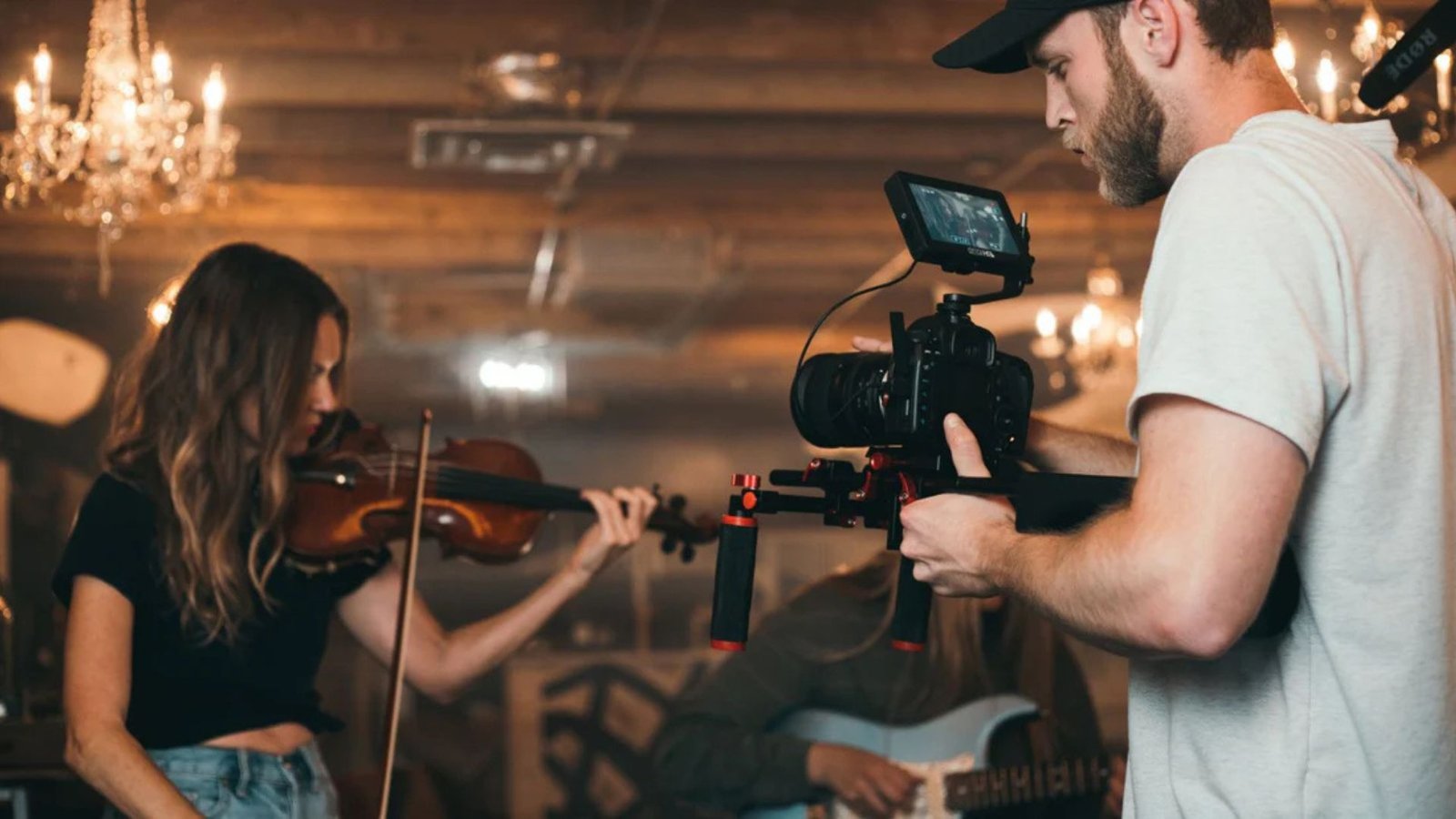
    In recent years, the landscape of the music industry has undergone a significant transformation, with independent artists taking center stage. Thanks to advances in technology and social media, self-promotion has become a crucial tool for musicians seeking to build their careers and connect with audiences directly. The rise of independent artists has democratized the music industry, allowing for greater creativity, diversity, and freedom in the way music is created, shared, and consumed. In this article, we’ll explore the reasons behind the rise of independent artists and the importance of self-promotion in today’s music scene.

    The Rise of Independent Artists and Self-Promotion
    The Rise of Independent Artists and Self-Promotion

    The Power of Digital Platforms

    One of the main factors contributing to the rise of independent artists is the increasing accessibility of digital platforms. In the past, signing with a major record label was often the only way for musicians to gain widespread recognition and success. Today, platforms like Spotify, Apple Music, SoundCloud, and Bandcamp provide independent artists with the tools to distribute their music globally without the need for a record label.

    These platforms have leveled the playing field, allowing artists to upload their work and gain exposure without the constraints of traditional gatekeepers. Streaming services also provide data analytics that help artists understand their audience and tailor their music and promotional strategies accordingly. Independent musicians can now reach listeners worldwide, building a fanbase and growing their presence with minimal financial investment.

    Social Media as a Promotion Tool

    Social media has revolutionized the way artists connect with their fans. Platforms such as Instagram, TikTok, Twitter, and Facebook provide independent musicians with the opportunity to promote their music, share behind-the-scenes content, and engage directly with their audience. These platforms have become essential for building a personal brand, creating authentic connections, and driving engagement.

    TikTok, in particular, has become a powerhouse for independent artists. Viral challenges, trends, and music snippets have propelled many unknown musicians into the spotlight. For example, songs that gain popularity through viral TikTok videos often experience a surge in streams and downloads, providing a significant boost to the artist’s career.

    Instagram, with its focus on visual content, allows artists to share personal moments, performance clips, and artwork, giving followers an inside look into their creative process. Through Instagram Stories, posts, and Reels, artists can keep their audience engaged and build anticipation for upcoming releases.

    DIY Music Production and Distribution

    Advances in music production technology have also played a major role in empowering independent artists. Digital audio workstations (DAWs), affordable recording equipment, and software have made it easier than ever for musicians to produce high-quality music from home. Independent artists no longer need to rely on expensive studio time to create professional-sounding tracks. With the right tools and skills, musicians can produce, mix, and master their own music, allowing for more creative control and a faster turnaround time.

    Once the music is created, distribution has also become more streamlined. Services like TuneCore, CD Baby, and DistroKid allow independent artists to distribute their music to streaming platforms, digital stores, and even vinyl pressings without the need for a record label. These services often offer low-cost, flat-fee options that provide artists with higher royalties and greater control over their music.

    Building a Personal Brand

    For independent artists, building a personal brand is essential to stand out in a crowded market. The traditional music industry often relied on labels to shape an artist’s image, but today, artists have the power to control their narrative. This includes everything from their visual aesthetic and public persona to the message behind their music.

    Many independent artists have embraced the opportunity to cultivate a unique brand that resonates with their audience. This might include creating a distinctive visual style, aligning with specific causes or social movements, or engaging in transparent storytelling. As fans are increasingly looking for authenticity and connection, an artist’s personal brand can be just as important as their musical output in cultivating a loyal fanbase.

    Direct-to-Fan Sales and Crowdfunding

    Another way independent artists are thriving is through direct-to-fan sales and crowdfunding. Platforms like Patreon, Kickstarter, and Ko-fi enable artists to connect directly with their most dedicated supporters and generate income through memberships, donations, or pre-sales of upcoming releases.

    Patreon allows artists to offer exclusive content—such as early access to songs, private livestreams, and behind-the-scenes footage—in exchange for ongoing support from fans. Crowdfunding platforms like Kickstarter allow artists to fund specific projects, such as an album release or a tour, with the help of their fanbase. This model enables artists to maintain creative independence while securing the financial backing they need to grow their careers.

    The Challenges of Self-Promotion

    While self-promotion offers many advantages, it also comes with its challenges. Independent artists must wear multiple hats, handling everything from music creation and distribution to marketing and fan engagement. This can be overwhelming, especially for those who are just starting out and may not have the resources to hire a team of professionals.

    Additionally, standing out in a saturated market requires creativity and persistence. Social media algorithms, which favor content that generates engagement, can make it difficult for new artists to gain visibility. Consistent posting, creating engaging content, and building a loyal fanbase are all essential strategies, but they require time and effort.

    Conclusion

    The rise of independent artists and the importance of self-promotion are changing the music industry for the better. With digital platforms, social media, and DIY production tools, independent musicians now have more control over their careers and the ability to reach a global audience. However, building a successful music career in today’s landscape still requires hard work, creativity, and a strategic approach to marketing and fan engagement. As the industry continues to evolve, independent artists will continue to play a pivotal role in shaping the future of music.


  • How Music Affects Brain Development in Children

    How Music Affects Brain Development in Children

    Music is much more than a form of entertainment; it is a powerful tool for promoting brain development in children. From birth to adolescence, music can have a profound impact on cognitive, emotional, and social growth. As children engage with music, whether through listening, singing, or playing instruments, they experience a range of benefits that support their overall development. In this article, we will explore the various ways in which music influences brain development in children and the lifelong advantages it offers.

    How Music Affects Brain Development in Children
    How Music Affects Brain Development in Children

    Enhances Cognitive Skills

    One of the most significant ways music affects brain development is by boosting cognitive skills. Listening to and participating in music stimulates areas of the brain involved in memory, attention, and problem-solving. Studies have shown that children who are exposed to music tend to perform better in areas such as language acquisition, reading comprehension, and mathematical reasoning.

    For example, learning to play an instrument requires children to read sheet music, follow rhythm patterns, and coordinate their movements. These tasks engage multiple parts of the brain simultaneously, strengthening the neural connections that are essential for other cognitive functions. Research suggests that children who participate in music education have enhanced verbal memory and are more likely to excel in academics.

    Improves Language Development

    Music and language share many similarities, which is why music can be a powerful tool for language development. Rhythms, melodies, and patterns found in music are similar to the rhythms and patterns used in speech. Listening to songs, chanting, or singing along with lyrics helps children recognize sounds, syllables, and speech patterns, all of which are important for language acquisition.

    Furthermore, music encourages children to engage with vocabulary and pronunciation in an enjoyable and interactive way. As children sing songs or play music with lyrics, they practice articulation and expand their vocabulary, which directly supports their ability to communicate effectively. Early exposure to music also aids in the development of listening skills, which are crucial for learning and social interactions.

    Boosts Emotional and Social Development

    In addition to cognitive and language benefits, music plays a vital role in emotional and social development. Engaging with music helps children express and regulate their emotions. For example, a child may feel calm and comforted by listening to soothing melodies, or they may feel energized and excited by upbeat songs. Music provides a safe and enjoyable outlet for children to process their emotions and understand how to manage them.

    Playing music with others also fosters social skills. Group activities such as choir practice, band sessions, or even casual sing-alongs promote collaboration, teamwork, and communication. Children learn how to listen to others, share space, and work together toward a common goal. These experiences help them build relationships and navigate social interactions with greater ease.

    Strengthens Motor Skills

    Music has a direct connection to motor skill development. Whether it’s dancing to the beat, tapping out rhythms, or playing an instrument, music encourages children to move their bodies in ways that improve coordination and fine motor skills. Playing instruments like the piano, violin, or guitar requires children to use their hands, fingers, and even their feet in specific, controlled movements. This enhances hand-eye coordination and dexterity, which are crucial for everyday tasks such as writing and dressing.

    Additionally, rhythmic activities like drumming or clapping help children develop a sense of timing and spatial awareness. These skills can transfer to other areas of life, such as sports or physical education, where coordination and timing are essential.

    Stimulates Creativity and Imagination

    Music is an excellent way to stimulate creativity and imagination in children. When children are exposed to different genres of music, they begin to explore a range of emotions and ideas. Music provides a medium for children to experiment with sounds and rhythms, encouraging them to think outside the box and express themselves in unique ways.

    In addition to creativity, music fosters problem-solving skills. Composing music or improvising melodies requires children to think critically about structure, pattern, and harmony. Whether they are creating their own songs or interpreting a piece of music, children’s brains are actively engaged in the process of exploration and invention.

    Conclusion

    The impact of music on brain development in children is undeniable. From improving cognitive and language skills to enhancing emotional and social development, music offers a wide range of benefits. It promotes creativity, strengthens motor skills, and fosters a sense of teamwork and collaboration. Whether through listening to music, playing instruments, or engaging in music-based activities, children who are exposed to music experience numerous advantages that support their overall growth. Encouraging children to engage with music can provide a strong foundation for a lifetime of learning, creativity, and emotional well-being.


  • How to Build the Ultimate Vinyl Collection

    How to Build the Ultimate Vinyl Collection

    Vinyl records have made a significant comeback in recent years, becoming a symbol of nostalgia, quality sound, and the tactile experience of music. Whether you’re a seasoned collector or just starting, building the ultimate vinyl collection is an exciting journey. In this guide, we’ll explore how to curate a collection that not only reflects your musical tastes but also increases in value and satisfaction over time.

    How to Build the Ultimate Vinyl Collection
    How to Build the Ultimate Vinyl Collection

    Start with Your Favorite Genres and Artists

    The first step in building a great vinyl collection is to start with music you love. Whether you’re into classic rock, jazz, hip-hop, electronic, or any other genre, your collection should reflect your personal tastes. Begin by purchasing albums from your favorite artists or genres, focusing on records that hold personal significance. These early purchases will form the foundation of your collection.

    Tip:
    Focus on the albums that have the most influence on you. This will create a more meaningful connection with your collection and give it a solid starting point.

    Research the Vinyl Versions

    Not all vinyl records are created equal. The vinyl market is filled with various editions, including first pressings, reissues, colored vinyl, limited editions, and picture discs. Each of these editions can differ in terms of sound quality, packaging, and rarity.

    Tip:
    First pressings of albums are usually more valuable and have a unique charm. When researching a specific album, check online marketplaces or record stores to determine which version is considered the best in terms of sound and collectability.

    Check Condition: Grades Matter

    When purchasing vinyl records, always check the condition of the record and its packaging. Vinyl condition is graded on a scale from “Mint” (unopened, like new) to “Poor” (heavily damaged and unplayable). The condition of the cover is equally important because it affects the overall value of the album.

    Key Grading Terms:

    • Mint (M): The record is flawless, as good as new.
    • Near Mint (NM): The record is nearly perfect, with only a few minor signs of use.
    • Good (G): The record shows signs of wear, but it still plays well.
    • Poor (P): The record is scratched, warped, or otherwise unplayable.

    Tip:
    Look for records with a grade of at least VG (Very Good) or NM to ensure that your collection maintains value and plays well. Avoid records with significant surface damage unless you’re willing to take a chance on them.

    Visit Record Stores and Dig Through Bargain Bins

    Record stores are treasure troves for vinyl collectors. While it’s tempting to shop online, there’s something special about hunting through crates at a local shop. Many record stores have bargain bins where you can find hidden gems at affordable prices.

    Tip:
    Don’t overlook the bargain bins. Many classic albums can be found at a fraction of the price if you’re willing to search through them. You may discover obscure artists or underappreciated albums that will be perfect additions to your collection.

    Build Your Collection Slowly

    Building an ultimate vinyl collection is a marathon, not a sprint. While it’s tempting to buy everything you can, it’s better to take your time and build your collection thoughtfully. Focus on albums that have historical significance, high-quality pressings, or personal value.

    Tip:
    Set a budget and aim to buy records a few at a time. This will help prevent overspending and ensure that your collection grows in a meaningful way. Over time, you’ll develop a better eye for finding quality records and will be able to focus on rarer, more valuable albums.

    Invest in Essential Classics

    There are certain albums that are considered essential for any vinyl collection. These records have had a major impact on music and have stood the test of time. Building a collection of essential classics ensures that you own some of the best albums ever produced, and they’ll also make your collection more valuable.

    Some Classic Albums to Consider:

    • The Beatles – Abbey Road
    • Pink Floyd – The Dark Side of the Moon
    • Michael Jackson – Thriller
    • Bob Dylan – Highway 61 Revisited
    • The Rolling Stones – Let It Bleed

    Tip:
    These albums are often available in various pressings, so look for a first pressing or an edition with unique features (such as colored vinyl or original packaging).

    Conclusion

    Building the ultimate vinyl collection is a personal journey that requires patience, research, and care. By starting with music you love, focusing on quality pressings, and taking good care of your records, you can create a collection that grows in value and meaning over time. Whether you’re seeking rare editions, essential classics, or hidden gems, the world of vinyl is rich with possibilities for discovery and enjoyment. Happy collecting!

  • Top Music Documentaries to Watch

    Top Music Documentaries to Watch

    Music documentaries provide a fascinating behind-the-scenes look at the lives, struggles, and triumphs of artists, genres, and the evolution of the music industry. Whether you’re a die-hard fan or simply interested in learning more about the power of music, these documentaries offer insight into the creative process, cultural movements, and personal journeys of iconic figures in music. Here’s a list of top music documentaries you should check out.

    Top Music Documentaries to Watch
    Top Music Documentaries to Watch

    20 Feet from Stardom (2013)

    Overview:
    “20 Feet from Stardom” focuses on the often-overlooked backup singers who provide essential vocal support to the world’s biggest artists. This documentary showcases the stories of these unsung heroes, including Darlene Love, Merry Clayton, and Claudia Lennear, revealing their contributions to classic songs and exploring their personal journeys.

    Why Watch It:
    The documentary highlights the powerful voices and stories of talented women who played a pivotal role in shaping the sound of popular music but rarely received recognition. It’s an emotional and eye-opening look into the music industry’s history.

    Amy (2015)

    Overview:
    Directed by Asif Kapadia, “Amy” tells the story of British singer-songwriter Amy Winehouse. The documentary dives deep into her meteoric rise to fame, her struggles with addiction, and her tragic death at the age of 27. The film uses a blend of archival footage, home videos, and interviews to explore her turbulent life.

    Why Watch It:
    “Amy” provides a poignant look at the pressures of fame and the personal battles that often accompany it. The documentary allows viewers to see the human side of Amy Winehouse beyond her public persona and reveals how the music industry can contribute to an artist’s downfall.

    What Happened, Miss Simone? (2015)

    Overview:
    This documentary centers on the life of jazz and blues legend Nina Simone. It blends rare archival footage with interviews to showcase Simone’s music career, activism, and inner turmoil. The documentary delves into her personal life and the racism she faced, as well as her deep commitment to civil rights.

    Why Watch It:
    Simone was not only a groundbreaking musician but also a fierce advocate for racial justice. This film offers an in-depth look at her complex life, making it a must-watch for those interested in both music and social movements.

    The Last Waltz (1978)

    Overview:
    Directed by Martin Scorsese, “The Last Waltz” is a documentary about The Band’s farewell concert in 1976. The film captures the performance at Winterland Ballroom in San Francisco, which featured appearances from rock legends like Bob Dylan, Joni Mitchell, and Neil Young.

    Why Watch It:
    This documentary is a must-watch for fans of classic rock. The combination of live performances, interviews, and behind-the-scenes moments gives an unforgettable snapshot of The Band’s legacy and the golden era of rock music.

    Standing in the Shadows of Motown (2002)

    Overview:
    “Standing in the Shadows of Motown” tells the untold story of The Funk Brothers, the unsung musicians who played on countless hits from the Motown label during the 1960s. The documentary highlights their contributions to songs by artists like Stevie Wonder, Marvin Gaye, and The Supremes.

    Why Watch It:
    This documentary gives credit to the talented musicians who were the backbone of Motown’s success. It’s an essential watch for anyone interested in the history of soul music and the groundbreaking sound of Motown.

    This Is Spinal Tap (1984)

    Overview:
    Although it’s a mockumentary, “This Is Spinal Tap” is one of the most iconic films in music history. Directed by Rob Reiner, the film follows the fictional rock band Spinal Tap and their absurd adventures in the music industry. It hilariously parodies the excesses and eccentricities of rock stardom.

    Why Watch It:
    “This Is Spinal Tap” is both a satire and a tribute to rock music, making it a must-watch for anyone who enjoys a comedic take on the music industry. Its impact on music culture is undeniable, and it remains a beloved classic.

    Conclusion

    Whether you’re interested in the untold stories behind iconic bands or the lives of influential solo artists, music documentaries offer a wealth of knowledge and entertainment. These films explore the highs and lows of the music industry, offering viewers a deeper understanding of the art form and the individuals who create it. From the emotional journey of Amy Winehouse to the comedy of “Spinal Tap,” these documentaries provide a diverse range of perspectives on music and its impact on culture.

  • Tips for Building the Perfect Playlist

    Tips for Building the Perfect Playlist

    A well-curated playlist has the power to transform any moment, whether it’s a workout, a road trip, a dinner party, or just a quiet evening at home. The perfect playlist can enhance your mood, energize you, or even help you focus. But creating that perfect mix of songs is no easy feat. It requires the right balance of tempo, genre, and emotion, along with a thoughtful selection of tracks that flow together seamlessly. In this blog post, we’ll explore some tips for building the perfect playlist to suit any occasion.

    1. Start with a Theme or Mood

    The first step in building the perfect playlist is deciding on a theme or mood. Are you creating a playlist for a party, a relaxing evening, or a workout session? Defining the mood will help you select songs that fit together and ensure your playlist serves its intended purpose. Whether you want your playlist to evoke feelings of nostalgia, relaxation, or excitement, having a clear direction will make the song selection process easier.

    • Mood-based playlists: Consider whether you want your playlist to be uplifting, mellow, energetic, or romantic.
    • Occasion-based playlists: Think about whether the playlist is for a specific event, like a wedding, road trip, or workout.

    2. Mix Up Genres and Artists

    One of the most important aspects of a great playlist is variety. While it’s tempting to create a playlist with songs from just one artist or genre, mixing things up will keep the listener engaged and prevent the playlist from feeling monotonous. A good playlist can blend different genres and artists, creating a dynamic listening experience.

    • Balance tempo and genre: Include a mix of upbeat tracks and slower songs. For example, you can balance pop hits with some classic rock or include indie songs alongside R&B.
    • Discover new artists: Introducing lesser-known artists can add an element of surprise and help listeners discover fresh sounds.

    3. Create a Flow and Sequence

    While variety is key, the flow of your playlist is just as important. The songs should flow naturally from one to the next, creating a smooth and enjoyable listening experience. Pay attention to how each song transitions into the next and consider the tempo, key, and energy level of each track. You don’t want the playlist to feel jarring or disjointed, so think about pacing and sequencing.

    • Start strong: Open with a track that captures attention and sets the tone for the playlist.
    • Build momentum: Gradually increase the energy level in the middle of the playlist to keep listeners engaged.
    • End on a high note: Close the playlist with a powerful or emotionally satisfying song to leave a lasting impression.

    4. Consider the Length

    The length of your playlist should be tailored to its purpose. A playlist for a quick workout might only need 30-40 minutes of high-energy music, while a playlist for a long road trip might last a few hours. It’s important to find the right balance in length—too short, and the listener might feel like the playlist is over too soon; too long, and it might become tiresome.

    Tips for Building the Perfect Playlist
    Tips for Building the Perfect Playlist
    • Short playlists: Ideal for quick activities like working out, getting ready for a night out, or a brief commute.
    • Long playlists: Great for extended activities, such as a road trip, a party, or background music for studying.

    5. Cater to the Audience

    Think about who will be listening to your playlist. If you’re creating a playlist for a party, consider the musical tastes of your guests. If it’s for a personal moment, like a quiet evening at home, choose songs that reflect your mood or the atmosphere you want to create. Tailoring your playlist to your audience ensures it will resonate with them.

    • Personal playlists: For solo listening, select songs that reflect your personality and musical preferences.
    • Group playlists: For a party or group activity, include a mix of songs that appeal to a broad audience.

    6. Don’t Forget the Classics

    Including some timeless classics in your playlist is always a good idea. These songs are often universally loved, and they can bring a sense of familiarity and nostalgia to your playlist. Whether it’s an iconic pop hit, a classic rock anthem, or a timeless ballad, these tracks can help ground your playlist and provide a sense of continuity.

    • Iconic hits: Incorporate well-known songs that almost everyone recognizes, like Billie Jean by Michael Jackson or Bohemian Rhapsody by Queen.
    • Timeless tracks: Add some older songs that have stood the test of time and continue to evoke strong emotions.

    7. Experiment with Transitions

    A good transition can make or break a playlist. If your playlist moves from a slow ballad to a high-energy dance track without any connection, it might feel disjointed. Try using songs with similar tempos or key changes that naturally flow into each other. If you want to mix genres, consider transitions that bridge the gap—such as using a mellow acoustic track to smoothly lead into a more electronic or pop-driven song.

    • Crossfade: Many music platforms have a crossfade feature, which overlaps the end of one song with the beginning of the next, making transitions smoother.
    • Strategic transitions: If you want to move between genres, look for songs that share certain elements like rhythm or mood.

    8. Include Personal Favorites

    A playlist is an expression of your personal taste, so don’t hesitate to include songs that resonate with you on a deeper level. Whether it’s a nostalgic song from your childhood or a recent track you can’t stop playing, your playlist should reflect your musical preferences and individuality. Including personal favorites also helps make the playlist feel more authentic and meaningful.

    • Go-to tracks: Add songs that you always enjoy listening to and that never fail to lift your spirits.
    • Special significance: Include songs that hold special memories or that evoke strong emotions, whether happy or bittersweet.

    9. Test Your Playlist

    Before finalizing your playlist, take the time to listen to it in its entirety. This allows you to evaluate the flow, pacing, and overall feel of the playlist. Are the transitions smooth? Does the mood shift appropriately throughout? Testing your playlist will give you a chance to make adjustments, remove any tracks that don’t fit, and ensure the playlist has the right energy.

    • Listen through: Play the entire playlist and imagine yourself in the scenario for which it was made (a workout, a road trip, a party).
    • Revise: Based on your test, refine the playlist by removing or adding songs that better fit the vibe.

    10. Keep Updating and Evolving

    A great playlist is never static. Music is always evolving, and your playlist should reflect that. Regularly update your playlists by adding new songs or replacing old ones that no longer fit the vibe. This will keep your playlists fresh and engaging, and you’ll always have new music to look forward to.

    • Seasonal updates: Add new songs or remove outdated ones based on the time of year or your changing moods.
    • Explore new releases: Incorporate new music as it’s released, so your playlist stays current and relevant.

    Conclusion

    Building the perfect playlist is an art that requires creativity, attention to detail, and an understanding of the occasion. Whether you’re curating a playlist for a workout, a road trip, or a relaxed evening, these tips will help you create a seamless listening experience. Remember to consider mood, variety, pacing, and personal taste, and don’t be afraid to experiment with transitions and song selection. With these strategies, you’ll be well on your way to creating playlists that are tailored to every moment and resonate with every listener.

  • How AI Is Influencing Music Creation

    How AI Is Influencing Music Creation

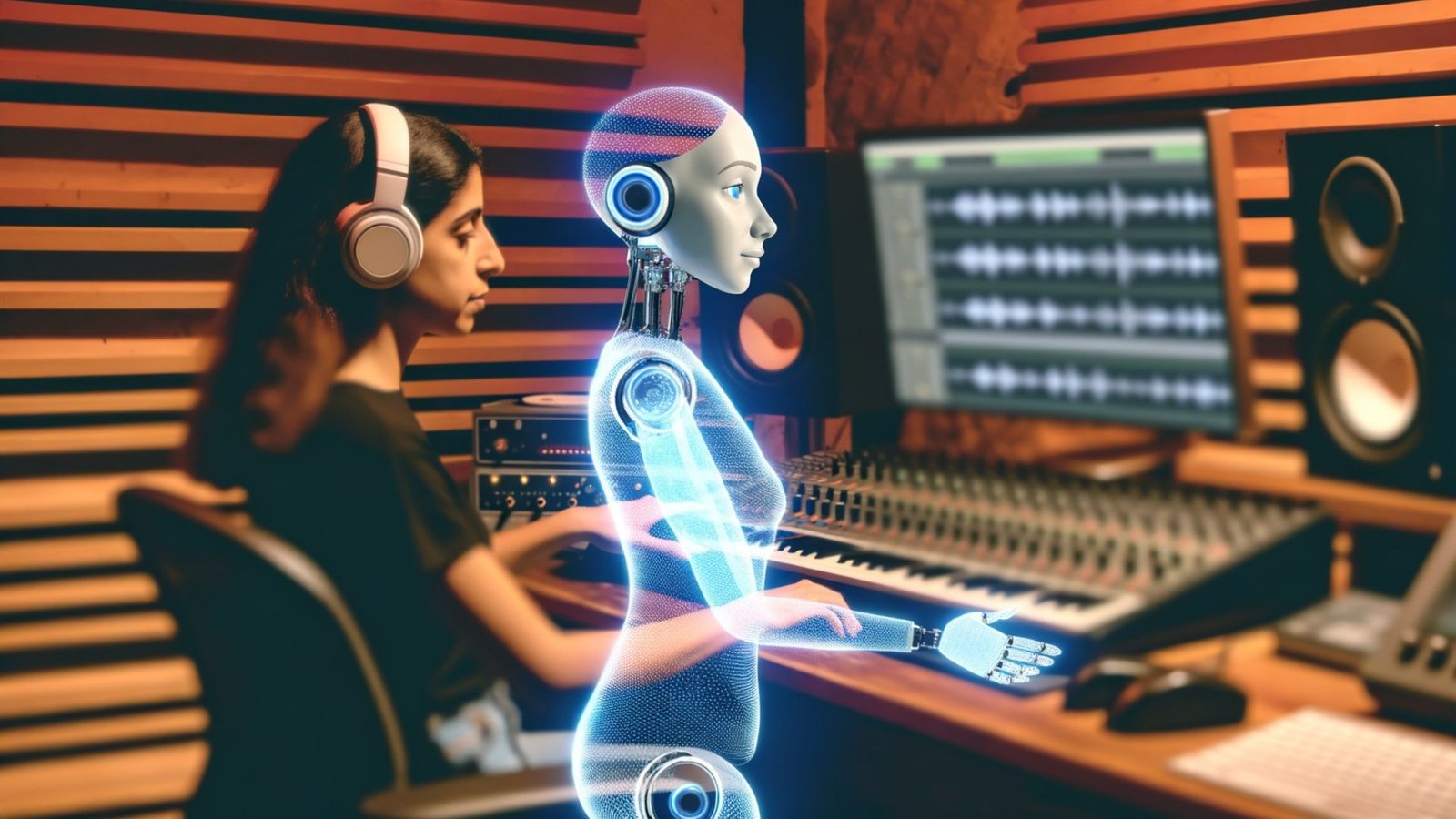
    Artificial intelligence (AI) has been making significant strides in various industries, and the music world is no exception. From composing original pieces to enhancing production processes, AI is transforming the way music is created, produced, and consumed. In this article, we’ll explore how AI is influencing music creation, looking at its benefits, challenges, and the potential for future developments.

    How AI Is Influencing Music Creation
    How AI Is Influencing Music Creation

    AI-Powered Composition and Songwriting

    One of the most exciting aspects of AI in music creation is its ability to compose music. AI algorithms, such as OpenAI’s MuseNet and Google’s Magenta, are capable of analyzing vast amounts of musical data to generate original compositions. These systems can create new melodies, harmonies, and even lyrics, often drawing inspiration from various genres and styles.

    • How It Works:
      AI models are trained on large datasets of music, allowing them to learn patterns in melody, rhythm, and structure. Once trained, they can generate new pieces of music based on specific inputs, such as genre preferences, mood, or tempo.
    • Benefits:
      • AI can assist composers in overcoming creative blocks by offering fresh ideas.
      • It allows musicians to experiment with new genres and styles.
      • AI-generated music can be used for background tracks, video game scores, or advertisements.

    AI in Music Production and Mixing

    AI is also revolutionizing music production by automating tasks that were once time-consuming or required specialized expertise. AI-powered tools are now able to assist with mixing, mastering, and sound design. These tools can analyze tracks and make adjustments to improve the overall sound quality.

    • AI-Powered Mixing and Mastering Tools:
      Platforms like LANDR use AI to master music tracks by analyzing them for loudness, clarity, and tonal balance. This allows independent musicians to access professional-grade mastering services without needing expensive equipment or extensive technical knowledge.
    • Benefits:
      • AI can make the production process faster and more efficient.
      • Musicians with limited resources can still produce high-quality tracks.
      • AI-driven tools can offer personalized recommendations for improving sound.

    AI in Music Personalization

    Another significant way AI is shaping music creation is through personalized music recommendations. AI algorithms on platforms like Spotify and Apple Music analyze user listening habits to suggest music that matches their tastes. Over time, these systems learn individual preferences and refine their recommendations, helping listeners discover new artists and genres.

    • How It Works:
      By analyzing user data, such as listening history, skip rates, and song preferences, AI systems can create tailored playlists or recommend specific tracks that align with a user’s unique taste.
    • Benefits:
      • AI enhances the listening experience by making it more personalized.
      • It helps independent and lesser-known artists reach wider audiences.
      • Music platforms can continuously improve their recommendation systems, providing more accurate and diverse suggestions.

    AI-Assisted Lyric Writing

    AI is also entering the realm of lyric writing, helping musicians generate lyrics or find inspiration for their songs. Tools such as OpenAI’s GPT-3 can generate lyrics based on input prompts, helping songwriters by offering various lyrical themes, structures, and word choices.

    • How It Works:
      AI models analyze a vast array of lyric data and use natural language processing to create new text based on the input provided. Musicians can input a theme, genre, or emotional tone, and the AI generates relevant lyrics.
    • Benefits:
      • AI can provide unique and diverse lyric suggestions, assisting songwriters in their creative process.
      • It can help overcome writer’s block by offering fresh perspectives.
      • AI-generated lyrics can be refined and incorporated into the songwriting process.

    AI in Music Performance

    While AI is typically associated with composition and production, it is also making its way into live performances. Some musicians are experimenting with AI-powered tools that can adapt and respond to their live performances in real time, creating a dynamic and interactive show.

    • How It Works:
      AI can analyze the musician’s playing style and respond by generating complementary sounds or altering the arrangement during a live performance. AI-driven instruments, such as robotic drummers or electronic instruments, can also be used to enhance the performance.
    • Benefits:
      • AI can create immersive, interactive concert experiences.
      • It can allow musicians to explore new performance techniques and experiment with new sounds.
      • It can introduce a unique element to live shows that sets them apart from traditional performances.

    Conclusion

    AI is revolutionizing music creation, offering musicians new tools for composition, production, and performance. From generating melodies and lyrics to automating mixing and mastering, AI has the potential to streamline the music-making process while enhancing creativity. However, as AI continues to evolve, it will be important to navigate the ethical challenges and ensure that the role of human musicians remains central to the artistic process. As we move into the future, AI and human creativity will likely work hand in hand, pushing the boundaries of what music can be.

  • Top 10 Iconic Musicians of All Time

    Top 10 Iconic Musicians of All Time

    Throughout history, certain musicians have not only mastered their craft but also changed the course of music and culture itself. These legendary artists have left an indelible mark on the music industry and have influenced generations of listeners and fellow musicians. From rock gods to pop icons, each of these artists has contributed something unique to the world of music. In this blog post, we’ll explore the top 10 iconic musicians of all time who have truly shaped the world of music.

    1. The Beatles

    No list of iconic musicians would be complete without mentioning The Beatles. Hailing from Liverpool, England, John Lennon, Paul McCartney, George Harrison, and Ringo Starr became one of the most successful and influential bands in the history of music. Their innovative approach to songwriting, harmonies, and studio techniques revolutionized popular music. Albums like Sgt. Pepper’s Lonely Hearts Club Band and Revolver are still considered some of the best records ever made. Their music not only shaped the 1960s but continues to influence artists across genres today.

    2. Michael Jackson

    The King of Pop, Michael Jackson, remains one of the most iconic musicians in history. Known for his electrifying performances, groundbreaking music videos, and genre-defining albums like Thriller and Bad, Jackson changed the landscape of pop music forever. His dance moves, such as the moonwalk, became legendary, and his ability to blend pop, rock, R&B, and funk redefined the sound of the 80s and beyond. Michael Jackson’s influence spans decades, and his music continues to resonate with fans worldwide.

    3. Elvis Presley

    Often referred to as the “King of Rock and Roll,” Elvis Presley is perhaps the most iconic figure in the history of popular music. With his sultry voice, charismatic stage presence, and unique blend of country, blues, and gospel, Presley became a cultural icon. Hits like Hound Dog, Jailhouse Rock, and Can’t Help Falling in Love earned him global recognition, and his legacy as one of the greatest entertainers of all time is cemented. Presley’s influence helped shape rock music and popularized a new era of celebrity culture.

    4. Bob Dylan

    Bob Dylan is often considered one of the greatest songwriters of all time, with his poetic lyrics and ability to capture the spirit of social and political movements. From his early folk music to his electric rock period, Dylan’s music has consistently challenged norms and pushed boundaries. Albums like The Freewheelin’ Bob Dylan and Highway 61 Revisited feature some of the most thought-provoking and iconic songs in music history. Dylan’s voice, though often polarizing, became the voice of a generation, and his influence can still be felt in modern music.

    5. Madonna

    Known as the “Queen of Pop,” Madonna has shaped the music and fashion industries for over four decades. With her constantly evolving image and bold exploration of taboo topics, she has maintained her position as one of the most influential artists in pop history. Her albums like Like a Virgin, True Blue, and Ray of Light feature an array of iconic hits that have transcended generations. Madonna’s impact on music, gender norms, and pop culture cannot be overstated—she redefined what it meant to be a pop star.

    6. Jimi Hendrix

    Jimi Hendrix is widely regarded as one of the greatest guitarists of all time. Known for his innovative playing, Hendrix redefined the electric guitar with his virtuosic technique and unique sound. His albums, such as Are You Experienced and Electric Ladyland, are filled with groundbreaking tracks that fused rock, blues, and psychedelia. Songs like Purple Haze and Voodoo Child showcase his revolutionary approach to guitar playing, and his electrifying performances cemented his place as a true musical icon.

    Top 10 Iconic Musicians of All Time
    Top 10 Iconic Musicians of All Time

    7. Stevie Wonder

    Stevie Wonder is a true musical genius whose career spans more than five decades. Known for his incredible talent as a singer, songwriter, and multi-instrumentalist, Wonder has produced some of the most influential albums in music history, including Songs in the Key of Life and Innervisions. His ability to blend soul, funk, pop, jazz, and R&B created timeless music that continues to inspire artists across genres. Wonder’s innovative use of synthesizers and socially conscious lyrics have solidified him as one of the greatest musicians of all time.

    8. Aretha Franklin

    The “Queen of Soul,” Aretha Franklin is a vocal powerhouse whose influence on soul, R&B, and gospel music is immeasurable. With hits like Respect, Think, and Natural Woman, Franklin not only defined the sound of the 60s and 70s but also became a symbol of empowerment for women and African Americans. Her voice, marked by its emotional depth and technical prowess, made her one of the most revered singers of all time. Franklin’s contributions to both music and civil rights make her a truly iconic figure.

    9. Prince

    Prince was a musical visionary who constantly pushed boundaries, blending rock, pop, R&B, and funk to create a unique and influential sound. With groundbreaking albums like Purple Rain and 1999, Prince became known for his electrifying live performances, boundary-pushing lyrics, and genre-defying music. His versatility as a musician—he played nearly every instrument on many of his albums—combined with his daring approach to both music and fashion made him a trailblazer in the industry. Prince’s impact on pop and funk music remains profound to this day.

    10. Queen

    Queen, led by the incomparable Freddie Mercury, is one of the most beloved rock bands of all time. Known for their operatic style, theatrical performances, and anthemic hits like Bohemian Rhapsody, We Will Rock You, and We Are the Champions, Queen broke through genre boundaries and became a staple in rock music history. Mercury’s voice and stage presence were unmatched, and his ability to create timeless, universally appealing music made Queen one of the greatest bands to ever grace the stage. Their influence on rock music and pop culture continues to resonate worldwide.

    Conclusion

    The musicians on this list have all had a lasting impact on the music industry and culture. Their contributions not only shaped the sound of their respective genres but also influenced the world beyond music. From pushing boundaries with their sound to challenging societal norms, these iconic musicians have left a legacy that will inspire future generations for years to come. Whether through their revolutionary albums, unforgettable performances, or social activism, these artists have earned their place as legends in music history.

  • Exploring Different Types of World Music

    Exploring Different Types of World Music

    World music is an umbrella term that encompasses a diverse range of musical styles from various cultures around the globe. It includes traditional, folk, and contemporary music, often with influences from local customs, beliefs, and regional instruments. By exploring different types of world music, listeners can experience the richness of human creativity and learn about the unique cultures from which these sounds originate. This article takes you on a journey through some of the most prominent types of world music.

    Exploring Different Types of World Music
    Exploring Different Types of World Music

    African Music

    African music is known for its rhythmic complexity, deep cultural significance, and diverse styles. It features a wide variety of instruments, such as drums, xylophones, marimbas, and string instruments like the kora. The music is often deeply connected to social rituals, community events, and storytelling.

    • Characteristics:
      • Percussion-driven rhythms
      • Call-and-response vocal patterns
      • Strong ties to dance and movement
      • Regional variations, such as West African, East African, and South African styles

    Famous Genres: Highlife (Ghana), Afrobeat (Nigeria), Mbaqanga (South Africa)

    Latin American Music

    Latin American music encompasses the sounds of many countries in the Americas, blending Indigenous, African, and European influences. Instruments like the guitar, maracas, congas, and charango are common in the region’s music.

    • Characteristics:
      • Syncopated rhythms and vibrant beats
      • Danceable and festive energy
      • Fusion of African, Indigenous, and European instruments
      • Importance of family and community in performances

    Famous Genres: Salsa (Cuba), Tango (Argentina), Bossa Nova (Brazil), Reggaeton (Puerto Rico)

    Indian Classical Music

    Indian classical music is one of the oldest music traditions in the world, characterized by its intricate ragas (melodies) and talas (rhythms). The music relies heavily on improvisation and is deeply connected to spirituality, often performed in temples or for meditation.

    • Characteristics:
      • Melodic improvisation based on ragas
      • Rhythmic cycles based on talas
      • Classical instruments like the sitar, tabla, and sarod
      • Connection to philosophy and meditation

    Famous Genres: Hindustani (North India), Carnatic (South India)

    Middle Eastern Music

    Middle Eastern music includes a wide variety of styles across countries like Egypt, Turkey, Iran, and Lebanon. It is often recognized for its use of complex scales known as maqamat and the unique sound of instruments such as the oud, ney, and darbuka. The music is deeply embedded in cultural and religious rituals, with an emphasis on poetry and storytelling.

    • Characteristics:
      • Use of maqamat (complex scales)
      • Ornamented melodies and improvisation
      • Rhythmic patterns based on a variety of meters
      • Poetic and spiritual themes

    Famous Genres: Arabic pop, Persian classical, Turkish folk

    Asian Traditional Music

    Asian traditional music is diverse, ranging from the elaborate compositions of China and Japan to the minimalist music of Southeast Asia. In countries like Japan and China, classical music is often instrumental, while in others, like Thailand and Bali, it involves intricate vocal and instrumental ensemble performances.

    • Characteristics:
      • Use of pentatonic scales in many Asian traditions
      • Unique instruments like the Chinese erhu, Japanese shamisen, and Indonesian gamelan
      • Influences of philosophy, nature, and daily life
      • Deeply connected to cultural rituals and ceremonies

    Famous Genres: Chinese opera, Japanese Gagaku, Balinese gamelan, Thai classical music

    European Folk Music

    European folk music has a rich and varied tradition, with each region contributing unique styles and instruments. From the bagpipes of Scotland to the accordion in Eastern Europe, European folk music is known for its storytelling tradition and connection to rural life.

    • Characteristics:
      • Simple, repetitive melodies
      • Instrumentation based on regional instruments (e.g., bagpipes, fiddles, accordions)
      • Lyrics often tell stories of love, war, and local folklore
      • Strong community aspect with group singing and dancing

    Conclusion

    World music offers a vast and diverse array of sounds that reflect the uniqueness of different cultures and traditions. From the rhythmic beats of African music to the spiritual melodies of Indian classical music, each style provides insight into the values and histories of its people. By exploring these different types of world music, we can deepen our understanding of the world and celebrate the global diversity that makes our planet such a rich and vibrant place.

  • How Technology Has Changed Music Production

    How Technology Has Changed Music Production

    Technology has had an undeniable impact on every facet of our lives, and music production is no exception. From the traditional methods of analog recording to the digital revolution of today, the evolution of technology has completely transformed the way music is created, recorded, and produced. Musicians and producers now have access to a vast array of tools that make music production more accessible, flexible, and creative than ever before. In this blog post, we’ll explore how technology has changed music production and the tools that are shaping the sound of modern music.

    The Rise of Digital Audio Workstations (DAWs)

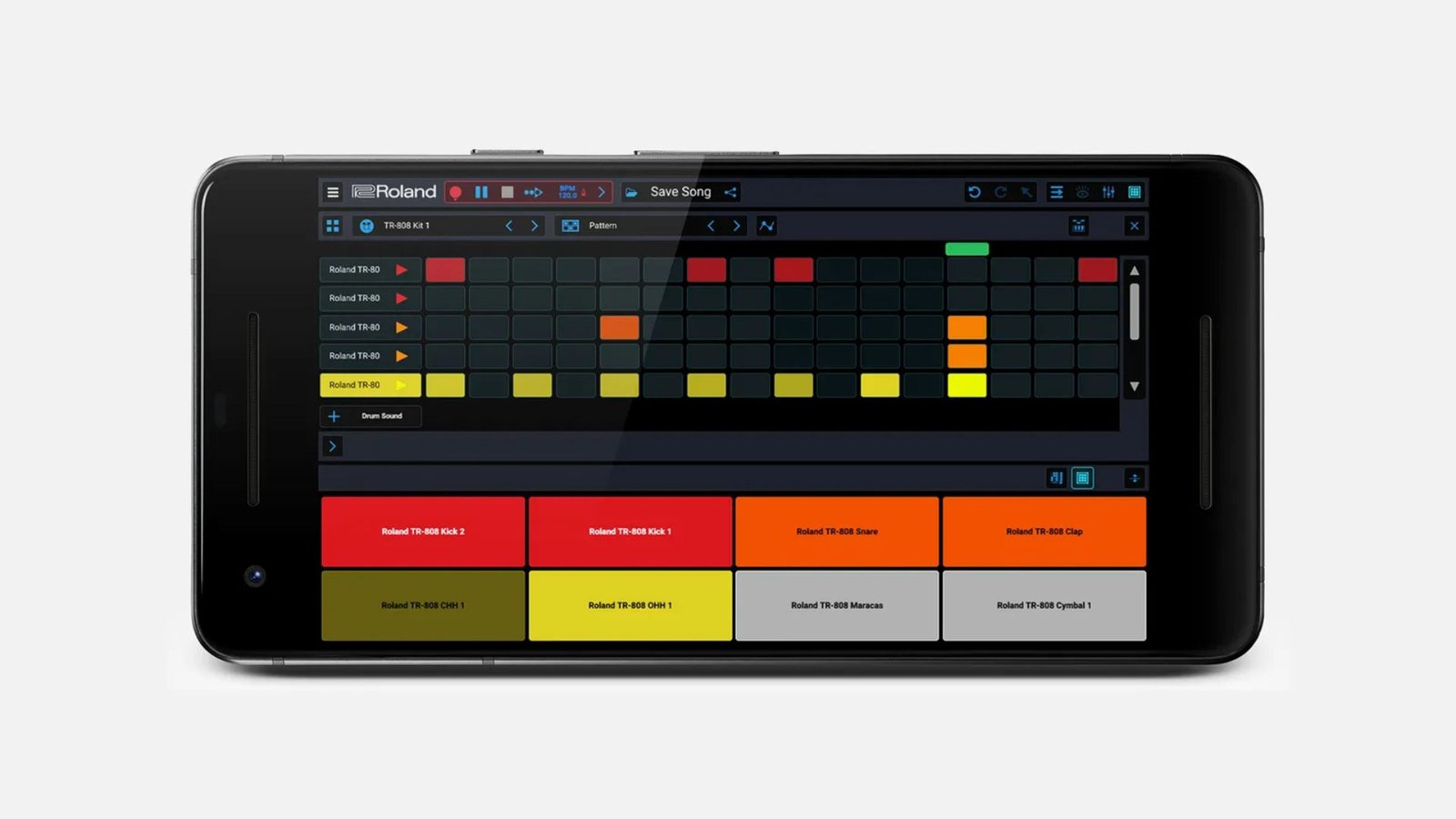
    One of the most significant advancements in music production has been the rise of digital audio workstations (DAWs). DAWs are software platforms that allow musicians and producers to record, edit, mix, and produce music entirely on a computer. Programs like Ableton Live, Logic Pro, Pro Tools, and FL Studio have become the backbone of modern music production.

    Before the advent of DAWs, music production was a highly technical and expensive process that required expensive equipment and a professional studio. Analog recording required reel-to-reel tape machines, mixers, and a variety of hardware to manipulate sound. Today, DAWs have streamlined the entire process, allowing artists to create high-quality music from the comfort of their own homes. With DAWs, producers can record multiple tracks simultaneously, edit with precision, and experiment with various sound effects without the need for physical instruments or expensive equipment.

    The Role of Software Instruments and Plugins

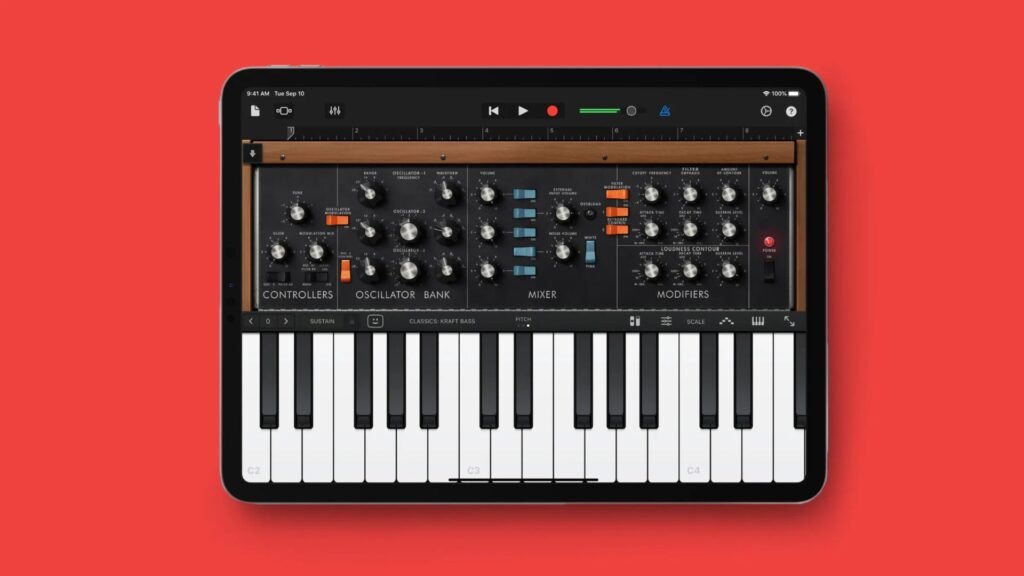
    Another major shift in music production has been the widespread use of software synthesizers, samplers, and plugins. These digital tools allow producers to emulate the sounds of traditional instruments or create entirely new sounds from scratch. This has greatly expanded the range of sounds and textures that producers can work with, making music production more diverse and innovative.

    • Virtual Instruments (VSTs): Software synthesizers like Serum, Omnisphere, and Massive provide musicians with the ability to create complex and realistic-sounding instruments, from pianos to orchestras to electronic basslines. These instruments can be easily manipulated and customized, allowing for endless creative possibilities.
    • Sample Libraries: Sample libraries, such as those offered by companies like Splice and Kontakt, provide a wide variety of pre-recorded sounds that producers can use to create music. These libraries offer everything from drum hits to vocal loops, making it easier than ever to incorporate diverse sounds into a track.
    • Effects Plugins: In addition to virtual instruments, plugins that simulate audio effects such as reverb, delay, distortion, and compression are widely used in modern production. These effects allow producers to shape the sound of their music, enhancing its depth and character. Plugins like iZotope Ozone and FabFilter Pro-Q offer powerful tools to manipulate sound in ways that were once only possible with expensive outboard gear.

    Automation and Editing Capabilities

    One of the biggest advantages of digital music production is the ability to automate and edit music with precision. In a DAW, producers can manipulate every aspect of a track, from volume and panning to effects and timing, with incredible accuracy.

    • Automation: Automation allows producers to adjust the parameters of a track over time, making it possible to change aspects such as volume, filter cutoff, or reverb intensity during a song. This creates dynamic shifts within the music and allows for a more polished and professional sound. For example, a producer might automate the filter on a synthesizer to gradually open and close over the course of a track, creating a sweeping effect that adds movement and texture.
    • Quantization: Another key advantage of DAWs is the ability to quantize recorded performances, which means adjusting the timing of a performance to make it perfectly in time with the beat. This is especially useful for producers working with electronic music, where precise timing is crucial. However, even in genres like rock or hip hop, quantization allows producers to tighten up recordings and ensure that everything stays in sync.
    • Non-Destructive Editing: Digital music production allows for non-destructive editing, meaning that changes to a track can be made without permanently altering the original audio. This gives producers the freedom to experiment and make adjustments without fear of ruining the original performance. It also makes it easy to revert back to previous versions of a track if necessary.
    How Technology Has Changed Music Production
    How Technology Has Changed Music Production

    Collaboration and Accessibility

    Technology has also made music production more accessible and collaborative than ever before. With the rise of cloud-based platforms and online tools, producers and musicians can work together from different parts of the world in real time. This has broken down geographic and financial barriers, allowing for more diverse voices and collaborations across genres.

    • Cloud Collaboration: Platforms like Soundation, Splice, and BandLab allow musicians and producers to collaborate on projects remotely. These platforms offer features like cloud storage, real-time collaboration, and shared project files, making it easier for multiple artists to work on the same track regardless of their location.
    • Remote Sessions: Musicians no longer need to be in the same studio to record together. Thanks to advances in audio recording and sharing, musicians can record their parts at home and send the files to producers or other musicians for further work. This has made it possible for independent artists to produce music without the need for a traditional studio setup.

    The Use of Artificial Intelligence (AI) in Music Production

    Artificial intelligence (AI) has also begun to make its mark on the world of music production. AI-powered tools are now available to assist in everything from composing melodies to mastering tracks, and even generating lyrics. These tools use algorithms to analyze music and make suggestions based on patterns and trends, helping producers streamline their workflows.

    • AI Music Composition: Platforms like Amper Music and Aiva are using AI to compose music in various genres. These platforms allow producers to input parameters like mood, tempo, and instrumentation, and then generate custom compositions based on those inputs. While AI-generated music is still in its early stages, it is becoming an increasingly valuable tool for producers looking to experiment with new ideas.
    • AI Mastering: AI-driven mastering services like LANDR use algorithms to analyze a track and automatically apply the appropriate mastering settings. This makes it possible for artists to get a polished, radio-ready track without the need for a professional mastering engineer, democratizing the process of mastering music.

    Conclusion

    Technology has revolutionized music production, making it more accessible, flexible, and creative. The rise of DAWs, virtual instruments, and editing capabilities has enabled musicians to create high-quality music from anywhere, breaking down barriers that once limited the production process. Furthermore, innovations like cloud collaboration and AI-assisted tools are changing the way music is made, opening up new possibilities for artists and producers alike.

    As technology continues to advance, we can only imagine what the future of music production will hold. However, one thing is clear: the tools available to today’s musicians are more powerful than ever, allowing for greater creativity and innovation in the music-making process. Whether you’re a seasoned producer or a beginner just starting, the world of music production has never been more exciting.

  • Best Apps for Learning to Play an Instrument

    Best Apps for Learning to Play an Instrument

    Learning to play an instrument can be a rewarding and enriching experience. However, the traditional method of taking lessons can sometimes be time-consuming or expensive. Thankfully, advancements in technology have made it easier to access music education on the go. There are numerous apps that cater to beginner and advanced musicians alike, providing tools, lessons, and interactive features to aid in learning. Here are some of the best apps for learning to play an instrument.

    Best Apps for Learning to Play an Instrument
    Best Apps for Learning to Play an Instrument

    Yousician

    Yousician is one of the most popular apps for learning various instruments, including guitar, piano, bass, ukulele, and voice. Its interactive lessons guide players through exercises tailored to their skill level. The app listens to your playing, providing real-time feedback to help you improve. Whether you are a beginner or more advanced, Yousician adjusts to your needs.

    • Key Features:
      • Progress tracking and goal setting
      • Real-time feedback
      • A wide selection of songs across genres
      • Video tutorials and step-by-step lessons

    Simply Piano by JoyTunes

    Simply Piano is an ideal app for learning piano or keyboard. With its easy-to-follow structure, it’s perfect for beginners, but also offers more advanced lessons. The app listens to your piano playing through your device’s microphone and offers feedback, so you can practice at your own pace. Simply Piano also provides access to popular songs, which makes practicing fun and motivating.

    • Key Features:
      • Personalized lessons based on skill level
      • Music recognition technology
      • Interactive tutorials with popular songs
      • Available for both iOS and Android

    Fender Play

    If you’re learning guitar, bass, or ukulele, Fender Play is an excellent choice. This app is designed for beginners and offers clear, easy-to-understand video lessons that cover everything from basic chords to more complex techniques. Fender Play organizes lessons into bite-sized pieces, which is great for learners with limited practice time. It also has a wide variety of songs to help you stay motivated.

    • Key Features:
      • Step-by-step video tutorials
      • A wide selection of songs to learn
      • Progress tracking and learning path customization
      • Available on both desktop and mobile

    Flowkey

    Flowkey is a fantastic app for piano learners. The app offers video tutorials, sheet music, and interactive feedback as you learn to play. Flowkey’s library includes a wide range of songs across different genres, from classical to contemporary. It’s designed for beginners but also offers more advanced pieces for experienced players.

    • Key Features:
      • Extensive library of songs and lessons
      • Interactive sheet music
      • Real-time feedback
      • Suitable for beginners to advanced players

    GuitarTuna

    GuitarTuna is a free and user-friendly guitar tuner app, perfect for tuning your guitar, bass, or ukulele. It also offers chord libraries and metronome tools to assist with your practice. While it’s not a traditional lesson app, it’s an essential tool for anyone learning stringed instruments. The app ensures your instrument is always tuned, so you can focus on improving your playing.

    • Key Features:
      • Accurate guitar tuner
      • Chord library and metronome
      • Simple, easy-to-use interface
      • Available for iOS and Android

    Playground Sessions

    Playground Sessions offers an innovative way to learn the piano. Created by music legend Quincy Jones, this app combines lessons with gamified elements to keep students engaged. Playground Sessions also offers a variety of songs from all genres, so you can play the music you love. It provides detailed feedback to improve your technique as you progress.

    • Key Features:
      • Game-like interface for interactive learning
      • Lessons from industry experts
      • Instant feedback on your playing
      • Song library across genres

    Tenuto

    Tenuto is the perfect app for musicians who want to enhance their music theory skills. This app offers exercises that help you learn to read sheet music, identify chords, and improve ear training. While it’s not focused on teaching an instrument, it’s a great tool to complement your lessons by developing your understanding of musical elements.

    • Key Features:
      • Customizable exercises
      • Ear training, chord recognition, and sight-reading
      • Perfect for enhancing music theory knowledge
      • Available for iOS

    Skoove

    Skoove is another excellent app for piano learning. It offers personalized lessons based on your skill level, guiding you through various techniques, including reading sheet music, playing chords, and learning popular songs. Skoove uses artificial intelligence to offer real-time feedback on your performance.

    • Key Features:
      • Personalized lessons with real-time feedback
      • A wide variety of songs to learn
      • Step-by-step learning approach
      • Suitable for beginners to intermediate players

    Exploring Free and Open Entertainment Options

    Open-source enthusiasts often appreciate platforms that offer value without upfront costs, similar to the ethos behind free software. One such example in the digital entertainment space is gambling360 casino-games free, where users can enjoy various games without financial commitment. It’s a great way to explore interactive platforms responsibly, just as we explore new distros and tools in the Linux ecosystem. Discovering these resources can be both fun and educational.

    Conclusion

    With the right app, learning to play an instrument has never been easier. Whether you are a beginner or a seasoned player, these apps offer a variety of tools, lessons, and interactive features that cater to different musical needs. From comprehensive video tutorials to tools that help improve your ear training and technique, these apps provide everything you need to succeed in your musical journey. So, pick an app that suits your instrument and start your musical adventure today!